Major update, September 2026: the project code and articles have been upgraded to run on the latest Raspberry Pi OS (Trixie). See what's changed →
Robotics IoT AI
built explained shared
Hands-on work in robotics, IoT and AI, documented step by step. Projects ship with a GitHub repo and an install script, so the same setup runs on your own hardware.
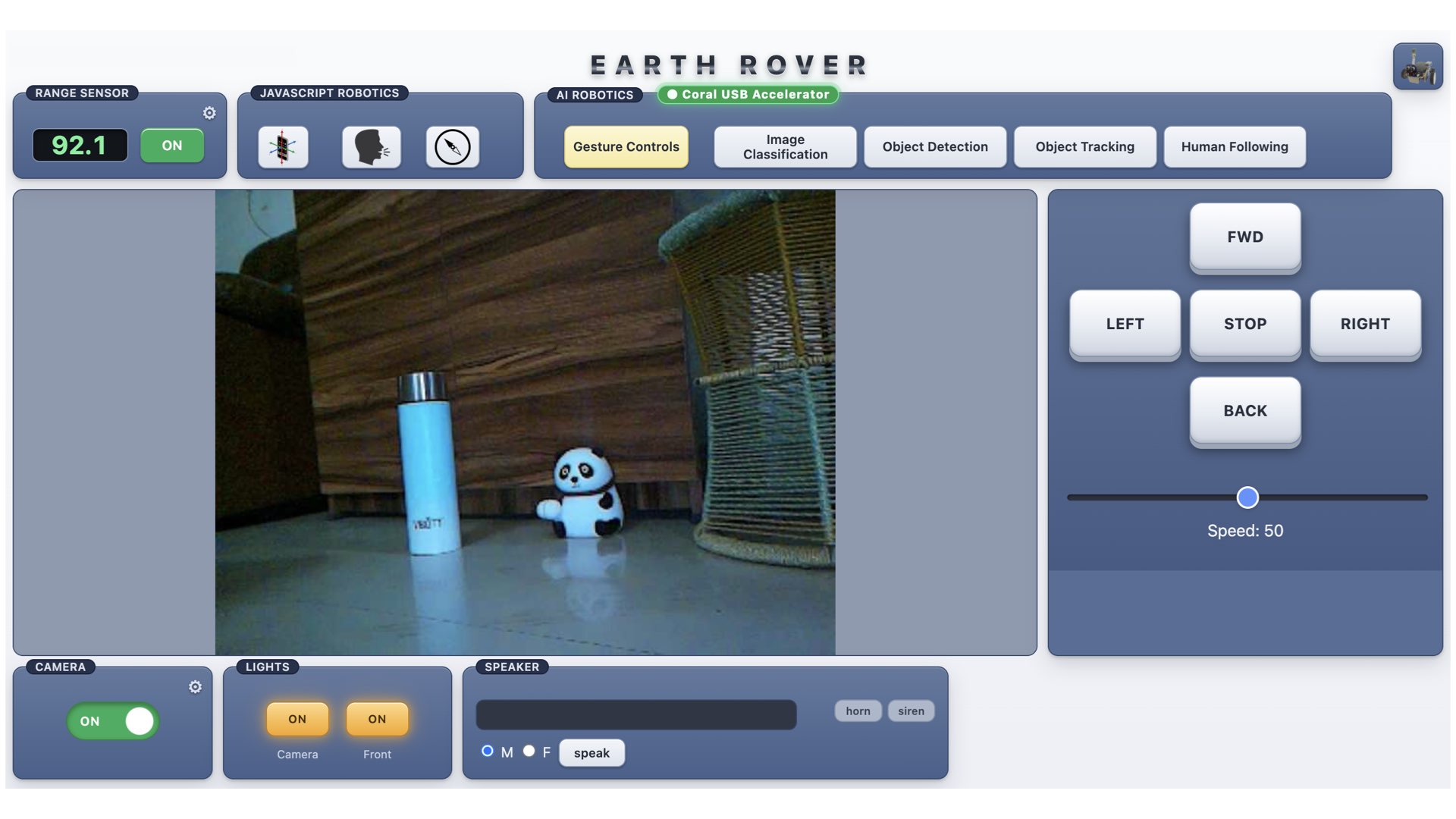
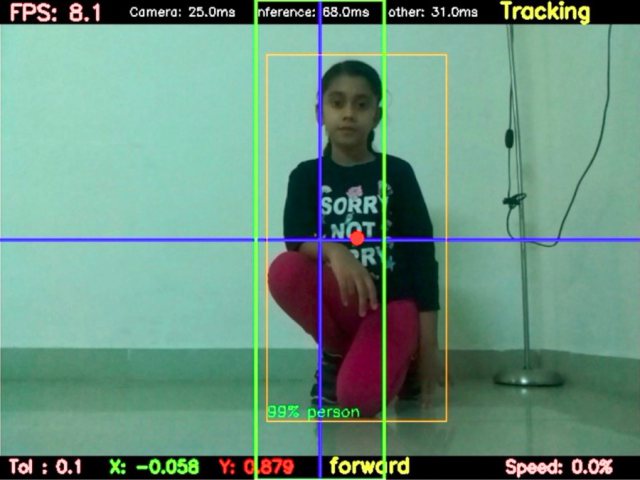
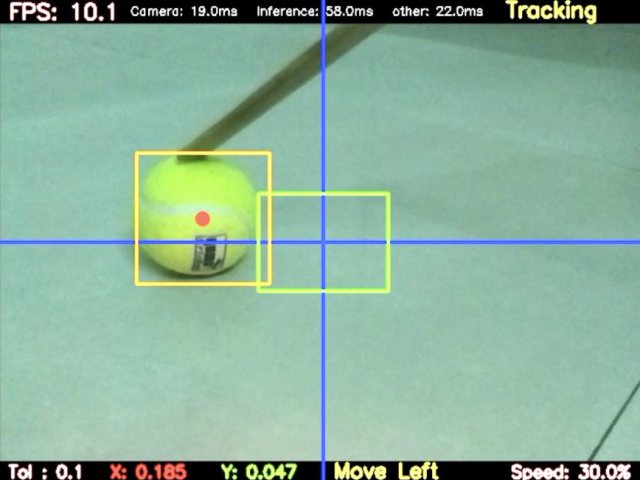
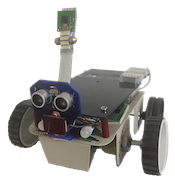
A four-level Raspberry Pi robot
Updated for Raspberry Pi OS 13 (Trixie)
One rover, built up in four levels — a step-by-step build for students and hobbyists. Each level is its own repository and its own article, so you can stop at any of them and still have a robot that drives.
- Level 1Motors and a web control panel — drive it from a browser on your phone.
- Level 2Camera, lights, distance sensor, speaker — see where it is going, and let it answer back.
- Level 3Phone sensors — tilt, voice and compass control, using the sensors already in your hand.
- Level 4On-board machine learning — it spots objects, follows a person and reads gestures, all on the Pi itself.
Browser widgets and controls for SBCs and MCUs
Widgets that pair with a board over the internet: a Raspberry Pi remote for GPIO and camera, an ESP32 remote, and a water tank reading a live ultrasonic sensor. No port forwarding and no server code — the device holds an access token, the REST API on this server does the rest.
Create an account, download the script to your board, and it appears in your browser.
boards talking to this site
Boards / devices that paired and sent data
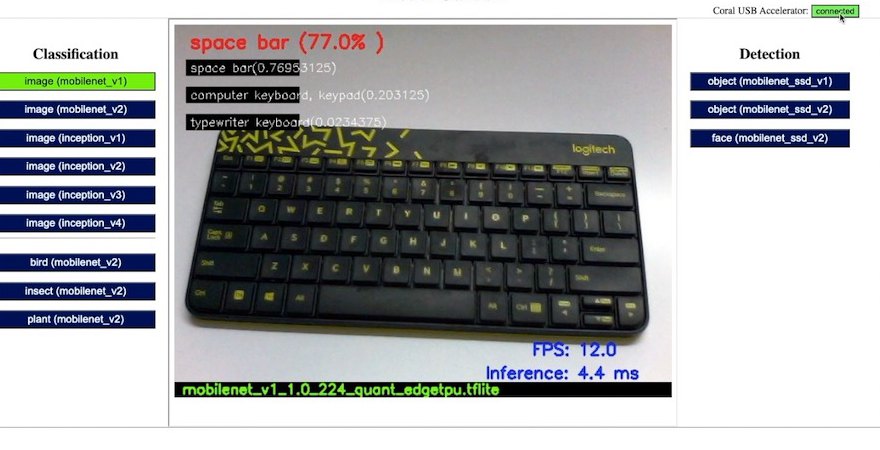 model garden
object detection
INFERENCECPUCORAL
MobileNet V1
94
4
SSD V2
148
13
Inception V4
1915
125
milliseconds per frame · Pi 4, Raspberry Pi OS 13
model garden
object detection
INFERENCECPUCORAL
MobileNet V1
94
4
SSD V2
148
13
Inception V4
1915
125
milliseconds per frame · Pi 4, Raspberry Pi OS 13
On-device machine learning
Updated for Raspberry Pi OS 13 (Trixie)
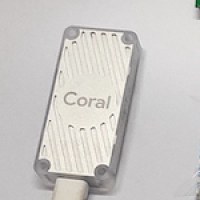
The camera feed is read by a TensorFlow Lite model running on the Pi itself. Model Garden benchmarks 20+ models on the same board so you can see what actually fits, and a Coral USB Accelerator makes them 10–30× faster when one is plugged in.
people running model garden
The same install telemetry as the robot, counted for the Model Garden benchmark alone.
A curated knowledge base
Not a regular blog — a re-imagined way to explore a topic. Each topic is broken down into the terms that carry it, laid out in a logical order so one leads to the next. Every term is explained through several lenses — a short definition, a layman's version, a longer explanation, and code where it helps — so you can stop at the depth you need. Quizzes and a concept map are built from the same structure.
WHAT'S NEXT
Upcoming ideas — experiments in progress on the bench. Each one that works becomes a repository and an article here.
- RobotNewer models on board, and Gen AI — so you can ask it things instead of steering it.
- IoTMore boards to plug in — the Arduino Uno Q, and other new microcontrollers.
- Edge AIMore models on the test bench, each one measured on the same Pi.
- NotesNew topics being written: robotics, and today's small boards.
BLOG
The write-ups: build guides, experiments and notes from the bench.